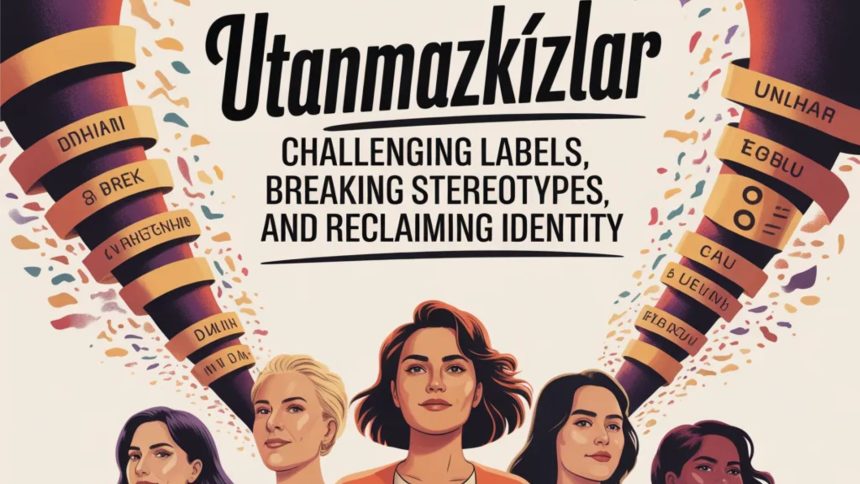
Have you ever heard someone casually label a woman as “shameless” just because she spoke her mind, dressed confidently, or chose a path different from what society expected? The term “utanmazkızlar” — often used to describe “shameless girls” — carries more weight than it seems. It’s not just a word. It’s a judgment. A stamp. A social warning sign.
But what does it really mean? Who decides what is shameful? And more importantly, why are girls and women so often the targets of this label?
In this article, we’ll explore the cultural roots, psychological impact, and modern reinterpretation of this phrase. We’ll unpack how society uses shame as a tool, how women are pushing back, and why this conversation matters to all of us — not just women.
Let’s dive in.
The Meaning Behind the Word
More Than Just a Label
At first glance, the term seems straightforward. It refers to girls or women who are perceived as lacking modesty, respect, or moral boundaries. But if we look deeper, we realize it’s rarely about actual behavior.
Often, it’s about control.
When someone is called shameless, it usually means they have stepped outside social expectations. They’ve challenged a norm. They’ve refused to shrink themselves.
And that makes some people uncomfortable.
Who Defines Shame?
Here’s the real question: who decides what counts as shameful?
Cultural traditions, family expectations, religious beliefs, and media all play a role. What’s acceptable in one community might be frowned upon in another. A woman speaking loudly in one place may be seen as confident; in another, she may be criticized.
Shame is not universal. It’s constructed.
Cultural Roots of Public Shaming
Tradition and Gender Expectations
Across many societies, girls are raised with strong expectations. Be polite. Be quiet. Dress modestly. Don’t attract attention. Protect your reputation.
From an early age, many are taught that their behavior reflects not just on them, but on their family. That’s a heavy burden to carry.
When these expectations are broken, the reaction can be swift and harsh.
Honor, Reputation, and Control
In some cultures, a woman’s “honor” is closely tied to family pride. This creates a system where female behavior is constantly monitored.
But let’s pause and ask: why is the responsibility of honor so often placed on girls?
It’s like giving one person in a family the fragile vase and saying, “Don’t drop this — or else.” The pressure is immense. And the consequences are often unfair.
The Double Standard Problem
Different Rules for Men and Women
Imagine a man who dates multiple partners. He may be praised. Now imagine a woman doing the same. She might face criticism or ridicule.
Why the difference?
Society often applies stricter moral codes to women. Confidence in men is admired; in women, it can be labeled arrogance. Boldness in men is leadership; in women, it’s rebellion.
This double standard fuels the use of terms that shame women for behavior that would be accepted — or even celebrated — in men.
Clothing and Expression
How many times have women been judged for what they wear?
Clothing becomes a battleground. A short skirt, bold makeup, or stylish outfit can trigger assumptions about character. But clothing is fabric, not morality.
When did personal style become a measure of virtue?
The Psychological Impact of Being Labeled
Internalized Shame
Being repeatedly called shameless can leave deep emotional scars. Words stick. Over time, they can shape how someone sees themselves.
Young girls who grow up hearing criticism may begin to doubt their worth. They may suppress their voice. They may shrink their dreams.
Shame can act like invisible chains, limiting confidence and freedom.
Anxiety and Social Pressure
Constant fear of judgment creates stress. Many women overthink their actions — “Is this too much?” “Will people talk?”
Living under scrutiny is exhausting. It affects mental health, relationships, and self-esteem.
And the saddest part? Much of this pressure is unnecessary and rooted in outdated expectations.
Social Media and the Amplification of Judgment
Public Opinion at Lightning Speed
In the digital age, judgment spreads faster than ever. A photo, a video, a statement — and suddenly thousands of people weigh in.
Online platforms can become courtrooms where strangers act as judges and juries.
A single moment can define someone in the public eye.
Cyberbullying and Reputation Damage
Online harassment can be brutal. Hurtful comments, rumors, and name-calling are magnified in digital spaces.
For many young women, this creates a constant fear of visibility. They may hesitate to express themselves authentically.
But here’s the irony: the same platforms that spread shame also empower resistance.
Reclaiming the Narrative
From Insult to Empowerment
In recent years, many women have begun reclaiming labels once used to silence them.
Instead of shrinking away, they ask: “If standing up for myself makes me shameless, then so be it.”
This shift transforms a negative word into a symbol of independence.
It’s like taking a stone thrown at you and using it to build your own path.
Confidence as Resistance
Confidence can feel radical in environments where women are expected to be modest and quiet.
When a woman speaks her truth, pursues her goals, or embraces her individuality, she challenges the idea that shame should control her life.
And that’s powerful.
Media Representation and Stereotypes
Film and Television Tropes
Media often reinforces stereotypes. Bold female characters are sometimes portrayed as manipulative or morally questionable.
Meanwhile, modest characters are shown as virtuous and deserving.
These repeated portrayals shape public perception.
The Influence on Young Minds
Young viewers absorb these messages. They learn what is rewarded and what is criticized.
If independence is consistently framed as problematic, it affects how girls see their own potential.
Representation matters. Balanced stories matter.
Education and Open Conversations
Teaching Critical Thinking
One of the strongest tools against harmful labeling is education.
When young people are encouraged to question norms, analyze stereotypes, and think critically, they become less likely to accept unfair judgments.
Conversations about equality, respect, and consent help build healthier communities.
Parents and Community Roles
Families play a crucial role. Open dialogue about expectations and self-worth can protect children from internalizing shame.
Instead of teaching girls to avoid judgment, we can teach them resilience and self-confidence.
That’s a powerful shift.
The Role of Feminism and Social Movements
Challenging Patriarchal Norms
Gender equality movements have long addressed the policing of women’s behavior.
By advocating for equal standards, these movements highlight the injustice of labeling women based on restrictive norms.
They ask a simple question: Why should anyone’s worth depend on conforming to outdated rules?
Solidarity Among Women
There’s strength in numbers. When women support each other rather than judge, social pressure weakens.
Solidarity replaces isolation.
Instead of whispering criticisms, communities can amplify encouragement.
Personal Responsibility and Respect
Freedom With Accountability
Now, let’s be clear: rejecting unfair shame does not mean rejecting responsibility.
Respect, kindness, and ethical behavior matter for everyone — regardless of gender.
The goal is not to eliminate standards, but to apply them equally.
Mutual Respect in Society
Healthy societies are built on fairness. When expectations are consistent and respect flows both ways, labels lose their power.
Imagine a world where character is measured by integrity rather than conformity. Wouldn’t that be refreshing?
Breaking the Cycle for Future Generations
Raising Confident Children
The next generation is watching us.
If we want boys and girls to grow up with balanced views, we must model fairness.
Encourage self-expression. Celebrate ambition. Teach empathy.
Children who grow up without fear of unfair judgment become adults who respect others’ choices.
Redefining Honor and Dignity
Honor does not have to mean control. It can mean integrity, honesty, and compassion.
Dignity does not require silence. It can coexist with boldness and individuality.
By redefining these concepts, we create space for everyone to thrive.
Why This Conversation Matters
You might wonder: why spend so much time discussing a single label?
Because words shape culture.
When harmful terms go unchallenged, they reinforce inequality. When they are examined and questioned, growth becomes possible.
This conversation isn’t just about women. It’s about fairness, empathy, and freedom for all of us.
Conclusion
The phrase often translated as “shameless girls” reflects deeper societal patterns of judgment, control, and double standards. For generations, women have carried the burden of expectations that limit their freedom and define their worth by narrow criteria.
But times are changing.
More women are reclaiming their voices. More communities are questioning old norms. More people are recognizing that confidence, independence, and self-expression are not flaws — they are strengths.
If there’s one takeaway from this discussion, it’s this: shame should never be a tool for control. Instead, we can choose respect, equality, and understanding.
And maybe, just maybe, the next time someone tries to use that label, it will no longer hold the same power.
Frequently Asked Questions (FAQs)
1. What does the term “utanmazkızlar” typically imply?
It usually refers to girls or women perceived as lacking modesty or moral boundaries, but the meaning often depends on cultural and social context.
2. Why are women more frequently labeled as shameless than men?
Many societies apply stricter behavioral standards to women, creating double standards that lead to unequal judgment.
3. How does public shaming affect mental health?
It can lead to low self-esteem, anxiety, depression, and internalized guilt, especially when experienced repeatedly over time.
4. Can reclaiming negative labels be empowering?
Yes. When individuals redefine harmful words and embrace their identity confidently, it can reduce stigma and promote empowerment.
5. How can society reduce harmful labeling and judgment?
By promoting education, encouraging open dialogue, applying standards equally, and fostering empathy and mutual respect within communities.