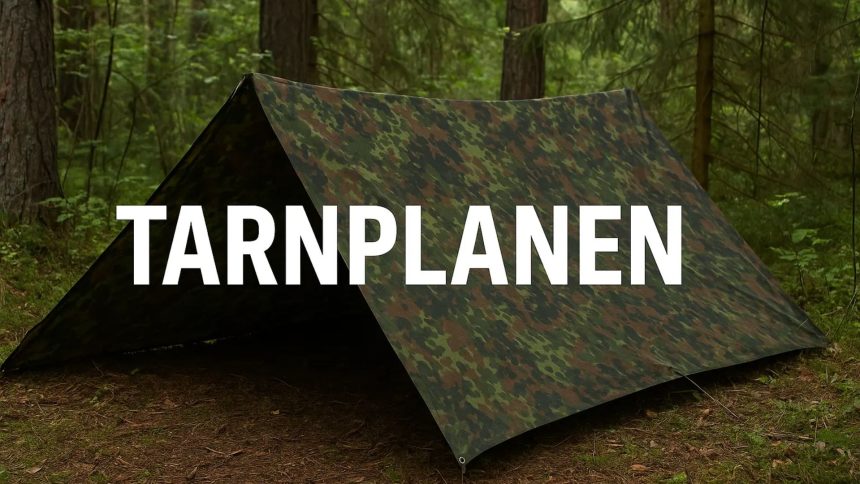
Have you ever looked at a simple piece of fabric and realized it can do a hundred different jobs? That’s exactly the case with tarnplanen. At first glance, they might seem like nothing more than patterned sheets, but spend a little time with them and you’ll see how deeply woven they are into outdoor life, emergency planning, and even creative home use.
In this article, we’ll explore this topic from every angle—where these sheets come from, how people use them today, and why they continue to be relevant in a modern world filled with high-tech alternatives. Think of this guide as a friendly walk through a forest trail: no rush, no complicated language, just clear ideas and useful insights.
Understanding the Basics
What Are Tarnplanen, Really?
At their core, tarnplanen are durable sheets designed to blend into natural surroundings. The name itself comes from German roots, with “tarn” meaning concealment and “planen” referring to covers or sheets.
But don’t let that definition box them in. These sheets are far more than camouflage tools. People use them as ground covers, rain shields, temporary shelters, and even protective wraps for gear. They’re like the Swiss Army knife of fabrics—simple, but incredibly versatile.
Why They Matter to Everyday People
You might be thinking, “I’m not in the military or a survivalist—why should I care?” Fair question. The answer is simple: practicality.
Whether you’re camping, gardening, preparing for emergencies, or just need something tough and reliable, these sheets quietly do the job. They don’t ask for attention, but they deliver when needed.
A Brief Look Back in Time
Origins in Military Use
Historically, camouflage sheets were closely tied to defense forces. Armies needed a way to hide equipment, vehicles, and temporary camps from plain sight. Fabric patterns that mimicked forests, deserts, or snowy landscapes became essential tools.
Over time, these materials improved. They became lighter, stronger, and easier to transport. What started as a tactical necessity slowly made its way into civilian life.
From Battlefield to Backyard
As surplus gear became available, outdoor enthusiasts discovered their value. Campers realized they were perfect for shelter. Farmers used them to protect supplies. Gradually, tarnplanen stepped out of uniformed hands and into everyday households.
Materials That Make the Difference
Common Fabrics Used
Most modern sheets are made from synthetic fibers like polyester or nylon. These materials are chosen for a reason—they resist water, dry quickly, and hold up under stress.
Some versions include reinforced edges or metal loops, making them easier to tie down. Others focus on lightweight design for easy carrying.
Durability and Weather Resistance
Imagine an umbrella that never flips inside out and never tears. That’s the kind of toughness people expect here. Rain, wind, sun, and dirt are all part of the job description.
This resilience is why many people trust these sheets in unpredictable situations. When the weather changes suddenly, it’s reassuring to know your cover won’t fail you.
Patterns and Visual Design
How Camouflage Works
Camouflage isn’t about becoming invisible. It’s about breaking up shapes and blending colors. The patterns on tarnplanen are designed to confuse the eye, making it harder to distinguish objects from their surroundings.
Forests use greens and browns. Deserts lean toward beige and sand tones. Urban designs often mix grays and muted shades.
Choosing the Right Look
For everyday use, the pattern isn’t just about hiding. It’s also about personal taste and environment. Some people prefer earth tones for outdoor harmony, while others like neutral colors that fit into a backyard or workshop setting.
Camping and Hiking Uses
If you enjoy sleeping under the stars, you already know how unpredictable nature can be. These sheets can become ground covers, rain shelters, or windbreaks in minutes.
Picture them as a reliable friend on a trip—quiet, adaptable, and always ready to help. Tie one between trees, and you’ve got instant shade. Lay it on the ground, and you’ve got a clean place to rest.
Hunting and Wildlife Observation
For those who observe wildlife, staying unnoticed is key. Tarnplanen help create temporary blinds, allowing people to watch animals without disturbing them.
It’s like borrowing nature’s own cloak and wearing it respectfully.
Practical Uses Around the Home
Gardening and Yard Work
Surprisingly, these sheets are great for gardening. Spread one out to collect leaves, protect soil from frost, or cover tools during rain.
They’re also handy for messy projects. Painting, trimming hedges, or moving soil becomes easier when cleanup is as simple as folding a sheet.
Storage and Protection
Got firewood that needs covering? Outdoor furniture that shouldn’t sit in the rain? Tarnplanen step in as protective layers.
Think of them as reusable gift wrap for your belongings—keeping everything safe without fuss.
Emergency and Survival Situations
Preparedness and Safety
In emergencies, flexibility matters. These sheets can serve as temporary shelters, signal markers, or insulation layers.
When power goes out or storms roll in, having something dependable can make a stressful situation more manageable. It’s not about fear—it’s about readiness.
Improvised Solutions
People often underestimate how creative they can be under pressure. A single sheet can become a stretcher, a rain collector, or a privacy screen.
Like duct tape, its value increases the moment things don’t go as planned.
Environmental Considerations
Longevity and Reuse
One reason tarnplanen remain popular is their long lifespan. Unlike disposable plastic covers, they’re meant to be reused again and again.
This durability reduces waste and encourages thoughtful ownership. Buy one good sheet, and it might serve you for years.
Responsible Use
Of course, no product is perfect. Synthetic materials don’t break down easily, so caring for them and using them responsibly matters. Repair small tears, clean them properly, and avoid unnecessary disposal.
Choosing the Right One for You
Size and Weight Matters
Before buying, ask yourself how you’ll use it. Do you need something compact for a backpack, or a large cover for equipment?
Lightweight options are easier to carry, while heavier ones offer more protection. It’s a balance between convenience and strength.
Features to Look For
Check for reinforced edges, attachment points, and waterproof coatings. These details make a big difference in daily use.
Sometimes, the smallest features are what turn a good product into a great one.
Care and Maintenance Tips
Cleaning and Storage
Keeping your sheet in good shape isn’t hard. Shake off dirt, rinse with water if needed, and let it dry completely before folding.
Store it in a cool, dry place. Treat it well, and it’ll return the favor when you need it most.
Repairing Minor Damage
Small tears don’t mean the end. Fabric patches or strong tape can extend its life.
It’s like fixing a favorite jacket—you don’t throw it away just because of a loose seam.
Cultural and Creative Uses
Beyond Practicality
Artists and event organizers sometimes use camouflage sheets as backdrops or decorative elements. Their textures and patterns add an earthy feel to spaces.
Who would’ve thought something designed for hiding could also stand out creatively?
Symbolism and Style
Over time, camouflage patterns have become symbols of resilience and adaptability. They remind us that blending in isn’t about disappearing—it’s about understanding your environment.
Conclusion: A Quiet Essential in a Noisy World
Tarnplanen may not be flashy or high-tech, but that’s exactly their strength. They quietly adapt to countless situations, offering protection, flexibility, and peace of mind. Like a dependable old tool in the garage, they’re easy to overlook—until the moment you really need them.
By understanding their uses and caring for them properly, you’re not just buying a sheet of fabric. You’re investing in readiness, creativity, and a little bit of everyday resilience.
Frequently Asked Questions
1. Are tarnplanen suitable for everyday household use?
Yes, they’re widely used for gardening, storage, and home projects because of their durability and flexibility.
2. Can these sheets handle extreme weather conditions?
Most are designed to resist rain and wind, though performance depends on material quality and proper setup.
3. How do I choose the right size for my needs?
Think about your primary use—camping, covering equipment, or emergencies—and select a size that offers enough coverage without being bulky.
4. Are camouflage sheets environmentally friendly?
While made from synthetic materials, their long lifespan and reusability help reduce waste compared to disposable covers.
5. Do I need special tools to set one up outdoors?
Not usually. Basic cords or ropes are enough to secure them to trees, poles, or other supports.