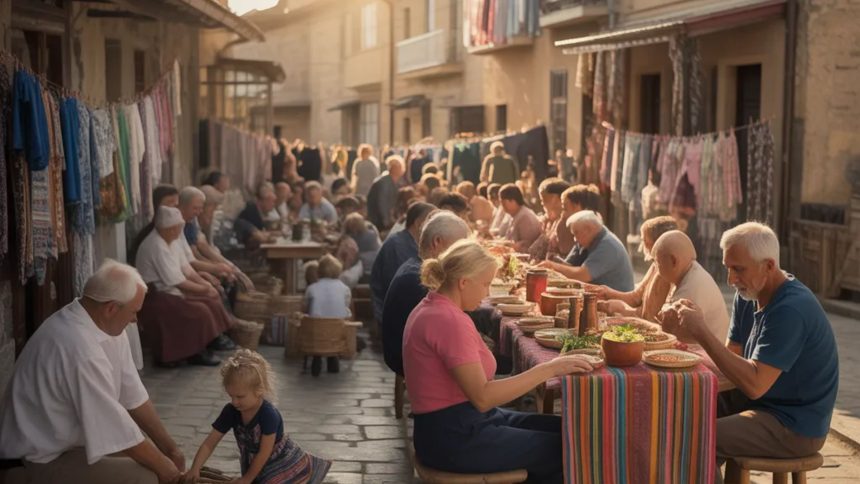
Have you ever come across a word that feels simple on the surface but somehow carries the weight of history, memory, and human connection? Sodziu is one of those words. It may sound unfamiliar to many, yet it represents ideas that almost everyone can relate to—home, belonging, shared effort, and the rhythm of daily life. In this article, we’ll gently unpack what sodziu stands for, where it comes from, and why its meaning still matters in our fast-moving modern world.
Think of this journey as a slow walk through a village lane rather than a rushed city commute. Along the way, we’ll talk about culture, people, values, and change—using simple language, real-life examples, and a conversational tone that feels more like a chat than a lecture.
Understanding the Meaning of Sodziu
At its heart, sodziu refers to a traditional rural settlement or village-based way of life, deeply rooted in community and land. It’s not just a physical place; it’s a lived experience shaped by shared work, customs, and relationships.
Imagine a cluster of homes where everyone knows each other, where daily routines are guided by nature rather than clocks, and where cooperation isn’t a buzzword—it’s survival. That’s the spirit captured by this term.
What makes it special is that it blends space and people into one idea. You’re not just talking about buildings or fields; you’re talking about a collective way of living that values togetherness over isolation.
The Cultural Roots Behind the Concept
A Life Shaped by the Land
Historically, life in a sodziu revolved around agriculture, seasons, and the land itself. Fields weren’t just sources of food; they were the backbone of identity. Planting, harvesting, and tending animals were shared responsibilities, often involving entire families or neighbors.
This close bond with nature created a deep respect for the environment. People learned to listen to the weather, read the soil, and adapt to natural cycles. In many ways, it was a silent partnership between humans and the earth.
Traditions Passed Through Generations
Customs, songs, stories, and rituals were passed down orally. Elders played a central role, acting as living libraries of wisdom. Whether it was advice on farming or guidance on life, knowledge flowed naturally from one generation to the next.
Community as the Core of Everyday Life
Shared Work, Shared Joy
In a traditional village setting, work was rarely done alone. Building a home, harvesting crops, or preparing for festivals often involved collective effort. This shared labor built trust and strengthened bonds.
Think of it like a group rowing a boat. If everyone rows together, the journey feels lighter and faster. That’s how daily life worked—each person contributing their strength.
Social Support and Belonging
When someone faced hardship, the community stepped in. Illness, loss, or poor harvests were met with help rather than judgment. This created a strong sense of belonging that many people today still long for.
Family Life and Social Structure
Families were often large and multigenerational, living under one roof or nearby. Roles were clearly defined, yet flexible enough to adapt when needed. Children learned responsibility early, while elders were respected for their experience.
This structure wasn’t about strict rules; it was about balance. Everyone had a place, and that sense of purpose made life feel meaningful.
Daily Routines and Simple Living
A Slower Pace of Life
Life moved at a human pace. Days began with sunrise and ended with sunset. Without constant digital distractions, people were more present with each other and their surroundings.
Doesn’t that sound refreshing?
Finding Joy in the Ordinary
Simple moments—shared meals, evening conversations, seasonal celebrations—were sources of happiness. There was beauty in routine, comfort in familiarity, and pride in honest work.
Food, Farming, and Self-Sufficiency
From Soil to Table
Food wasn’t imported from far away. It was grown, raised, or made locally. Meals reflected the seasons and available resources, making eating a mindful experience.
Cooking was often a communal activity, blending practicality with creativity. Recipes weren’t written down; they were remembered and adjusted over time.
Respect for Resources
Nothing went to waste. Leftovers were reused, tools were repaired, and materials were recycled long before it became trendy. This mindset of care and responsibility feels especially relevant today.
Celebrations, Rituals, and Shared Identity
Festivals marked important moments in the year—harvests, solstices, weddings, and births. These events weren’t just entertainment; they reinforced shared identity and collective memory.
Music, dance, and storytelling brought people together, reminding everyone that they were part of something bigger than themselves.
The Role of Nature in Shaping Values
Living close to nature shaped how people thought about life. Weather taught patience, seasons taught planning, and land taught humility. When you depend on natural forces, you learn quickly that control is limited and cooperation is essential.
Nature wasn’t something to conquer; it was something to respect.
Change, Modernization, and Challenges
The Impact of Urbanization
As cities grew and industries expanded, many people left village life behind. Opportunities pulled younger generations away, leaving aging populations in rural areas.
This shift brought economic growth but also cultural loss. Traditions faded, and the sense of close-knit community weakened.
Balancing Progress and Preservation
The challenge today is finding balance—embracing modern conveniences without losing valuable traditions. Some communities are working to revive local customs, sustainable farming, and community-focused living.
Why the Idea Still Matters Today
Even if you’ve never lived in a rural village, the values behind sodziu resonate deeply. In a world that often feels fragmented and rushed, ideas like connection, cooperation, and simplicity offer a refreshing alternative.
It’s like remembering an old song you didn’t know you missed. Once you hear it again, it stays with you.
Lessons We Can Learn for Modern Life
We don’t need to abandon cities or technology to learn from this way of life. Small changes—knowing your neighbors, supporting local food, slowing down—can bring some of that spirit into our daily routines.
At its core, the concept reminds us that progress doesn’t have to mean disconnection.
Conclusion: More Than a Place, a Mindset
Sodziu is more than a word tied to geography or history. It’s a mindset rooted in community, respect, and balance. While the world around us continues to change, these values remain timeless.
By understanding and appreciating this way of life, we’re not just looking backward—we’re finding guidance for moving forward with more intention and humanity.
Frequently Asked Questions
What does sodziu represent in simple terms?
It represents a traditional village-based way of life focused on community, shared work, and close ties to nature.
Is sodziu only relevant to rural areas?
Not at all. While it originates from rural living, its values—cooperation, simplicity, and belonging—can apply anywhere.
Why do people feel nostalgic about this lifestyle?
Because it emphasizes connection, slower living, and mutual support, which many feel is missing in modern society.
Can modern communities adopt elements of this concept?
Yes. Practices like local cooperation, sustainable habits, and strong social ties reflect its core principles.Does sodziu still exist today?
In some regions, yes. While it has evolved, many communities continue to preserve and adapt its traditions to modern life