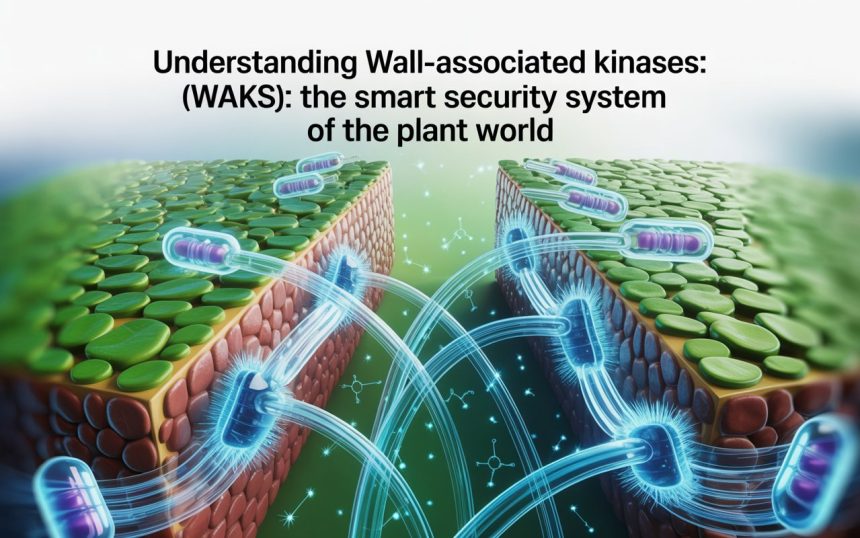
Plants may appear silent and motionless, but beneath their calm green surfaces lies an extraordinary communication network. Unlike animals, plants cannot run from danger or seek shelter during harsh conditions. Instead, they rely on sophisticated biological systems that help them sense threats, respond to stress, and regulate growth.
One of the most fascinating components of this hidden defense network is a group of proteins known as Wall-Associated Kinases (WAKs). These remarkable molecules serve as bridges between a plant cell’s outer wall and its internal machinery, allowing the plant to monitor its environment and react to changes in real time.
Think of WAKs as the security cameras, alarm systems, and communication lines of a modern smart building. They constantly monitor what is happening outside the cell and instantly relay important information to the inside. Understanding how these proteins work is helping scientists create stronger, healthier, and more resilient crops for the future.
What Are Wall-Associated Kinases?
Wall-Associated Kinases are specialized proteins found in plant cells. Their primary role is to connect the plant cell wall with the cell’s internal signaling systems.
Plant cells are surrounded by a rigid structure called the cell wall. This wall provides support, protection, and shape. However, a protective barrier alone is not enough. The plant must also know when that barrier is damaged or under stress.
WAKs solve this problem by acting as communication bridges. Part of the protein remains attached to the cell wall, while another part extends through the cell membrane into the cell’s interior. This unique position allows WAKs to detect external changes and trigger internal responses.
Without these proteins, plants would struggle to coordinate growth, defend themselves against disease, or adapt to environmental challenges.
Why Plant Cells Need a Communication System
Imagine living in a house without windows, doors, or security cameras. You would have no idea what was happening outside until a problem entered your home.
Plant cells face a similar challenge. Their rigid walls protect them from physical damage, but they also create a barrier between the cell and its environment.
To survive, plants must continuously gather information about:
- Pathogen attacks
- Mechanical damage
- Temperature changes
- Water availability
- Soil conditions
- Growth requirements
Wall-Associated Kinases function as information gateways. They allow cells to “feel” changes occurring in their surroundings and respond appropriately.
This communication system is essential for survival because plants encounter countless environmental challenges throughout their lives.
The Structure of a WAK Protein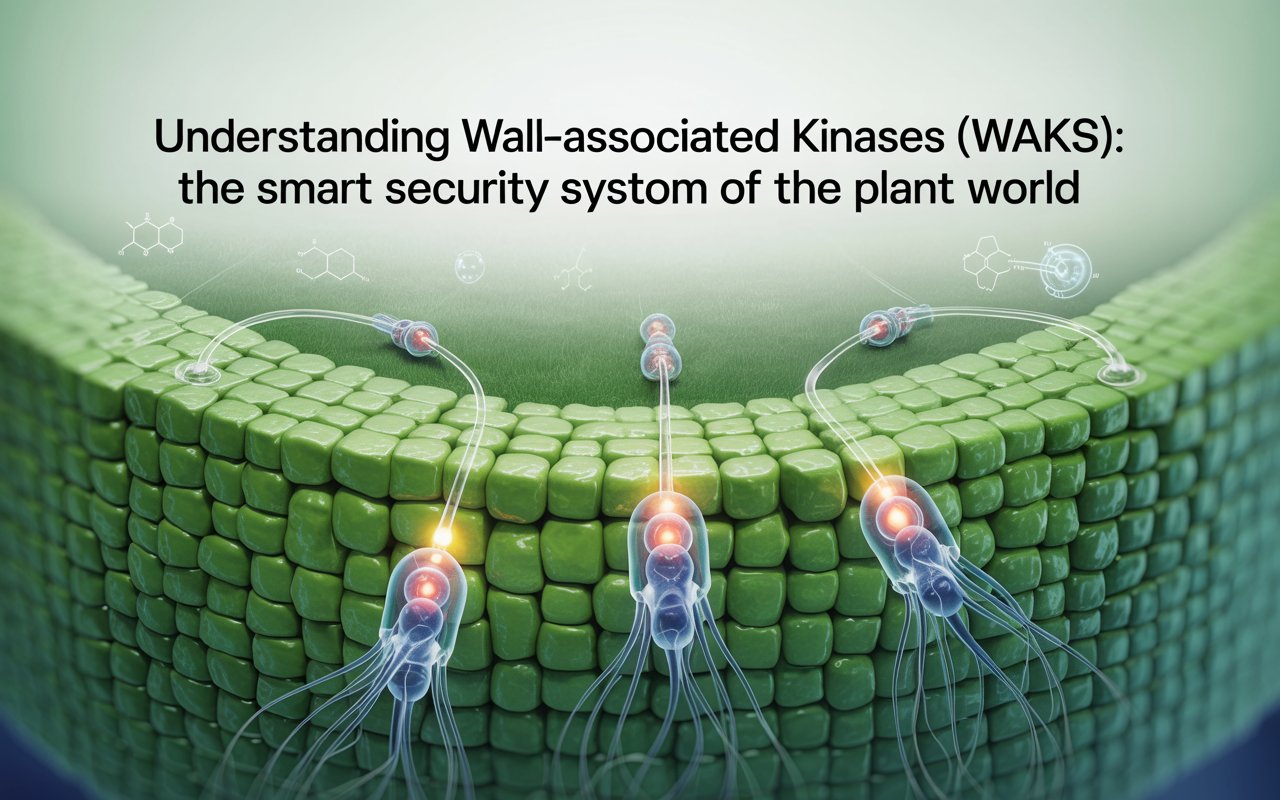
The effectiveness of Wall-Associated Kinases comes from their unique three-part design.
Extracellular Domain
This section extends into the cell wall and interacts directly with wall components such as pectin.
Its job is to monitor changes in the wall’s structure and detect signals associated with stress or damage.
Transmembrane Domain
This middle section anchors the protein firmly within the cell membrane.
Think of it as the bridge support that keeps the entire communication system connected.
Cytoplasmic Kinase Domain
Located inside the cell, this region serves as the control center.
When the extracellular portion detects a signal, the kinase domain activates a chain of biochemical reactions that tell the cell how to respond.
Together, these three regions create a seamless communication pathway between the outside world and the plant’s internal systems.
How Scientists Identify WAK Genes
Modern plant genomes contain thousands of genes. Finding specific WAK genes among this enormous collection is like searching for a single book in a massive library.
Researchers use a technique called genome-wide identification to locate and classify these genes.
The process involves:
- Scanning the entire genome.
- Searching for characteristic protein sequences.
- Comparing discovered genes with known WAK families.
- Assigning unique identifiers.
- Mapping their locations on chromosomes.
This systematic cataloging allows scientists around the world to study the same genes and share discoveries efficiently.
Accurate identification also helps researchers understand how different WAK genes evolved and how they contribute to plant survival.
The Role of WAKs in Plant Growth
Many people associate defense systems only with danger, but WAKs are equally important for normal development.
Plant growth requires constant remodeling of the cell wall. Cells must carefully loosen their walls, expand, and then strengthen them again.
This process requires precise coordination.
Wall-Associated Kinases continuously monitor the condition of the cell wall and help regulate growth-related signals. They ensure that expansion occurs safely and efficiently.
When certain WAK genes become inactive, researchers often observe:
- Shorter stems
- Poor root development
- Abnormal leaves
- Reduced plant size
These findings highlight how essential WAKs are for healthy plant development.
How WAKs Detect Disease Attacks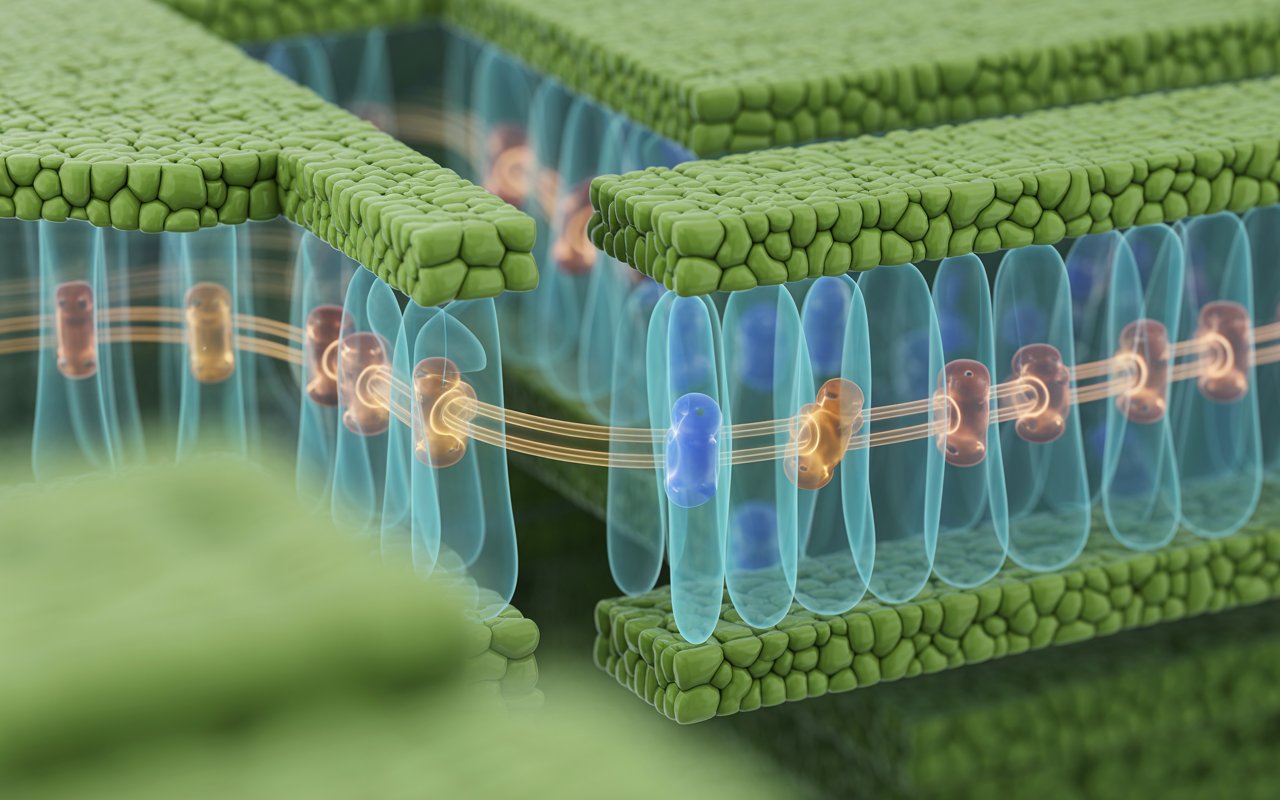
One of the most impressive functions of WAKs is their ability to recognize signs of infection.
When fungi, bacteria, or other pathogens attack plants, they often damage the cell wall. This damage releases small wall fragments into the surrounding area.
To a plant, these fragments are warning signals.
WAKs recognize these fragments and immediately activate defense mechanisms.
The response may include:
- Production of antimicrobial compounds
- Strengthening of cell walls
- Activation of defense genes
- Communication with neighboring cells
This rapid response helps prevent pathogens from spreading throughout the plant.
In many ways, WAKs function like smoke detectors. They sense the earliest signs of trouble and trigger emergency responses before the damage becomes severe.
Protecting Plants from Environmental Stress
Not all threats come from living organisms. Environmental stress can be equally damaging.
Plants regularly face challenges such as:
- Drought
- Heat waves
- Salty soils
- Cold temperatures
- Strong winds
These conditions place mechanical strain on plant tissues and cell walls.
Because WAKs physically connect the cell wall and membrane, they can detect changes caused by environmental stress.
Once activated, they help initiate protective responses that improve survival.
For example, during drought conditions, WAK signaling may contribute to:
- Water conservation
- Stress-response gene activation
- Cellular protection mechanisms
- Improved stress tolerance
This ability to sense and respond to physical stress makes WAKs valuable survival tools.
The Evolution of Wall-Associated Kinases
Plants have existed on Earth for hundreds of millions of years. During that time, they have continuously adapted to changing environments.
As a result, WAK gene families have expanded and diversified.
Different plant species possess different numbers of WAK genes.
Simple Plants
Some plants contain relatively small WAK families because they face fewer environmental challenges.
Complex Crop Species
Major crops often contain dozens or even hundreds of WAK-related genes.
These expanded gene families allow plants to recognize a wider variety of threats and environmental conditions.
Evolution has effectively created specialized sensors for different situations, giving plants a flexible and highly adaptable defense network.
Why WAK Research Matters for Agriculture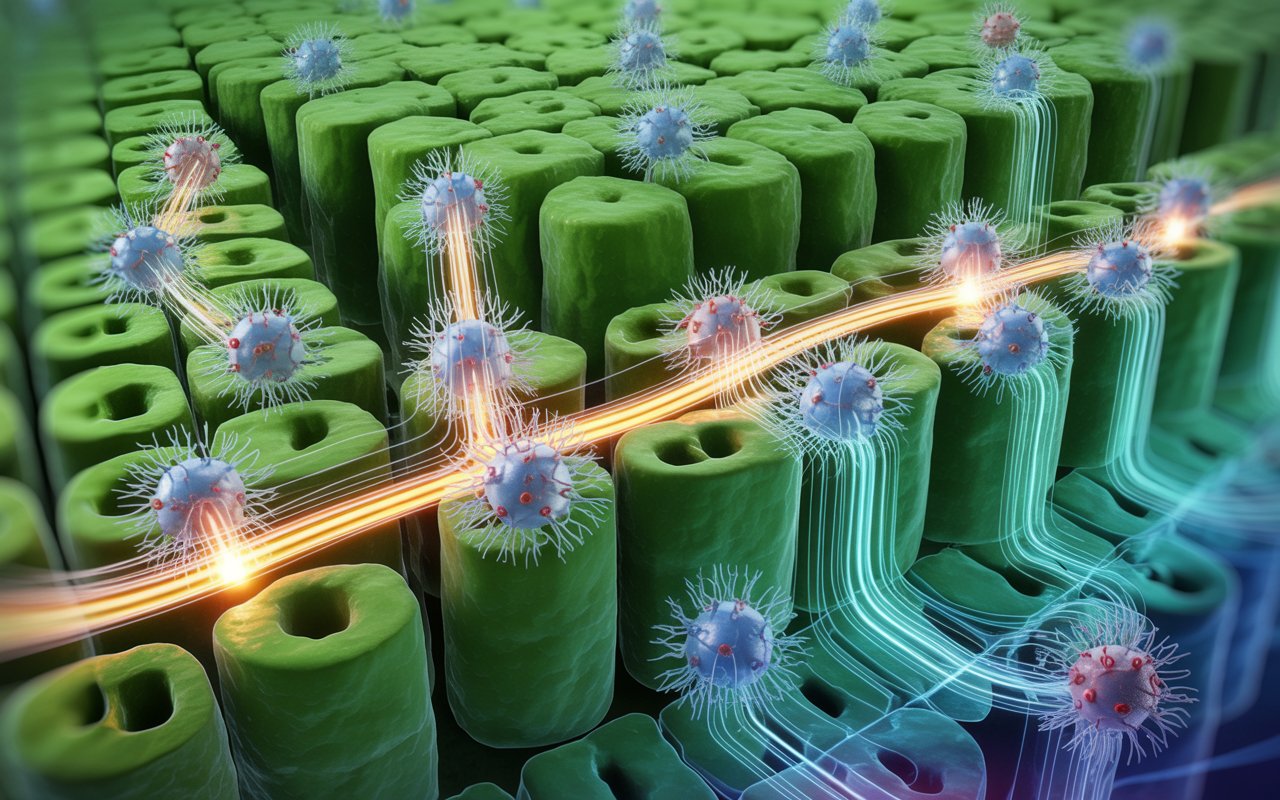
Global agriculture faces growing challenges.
Farmers must contend with:
- Climate change
- Emerging diseases
- Water shortages
- Soil degradation
- Increasing food demand
Traditional crop improvement often relies on lengthy breeding programs that can take years or even decades.
Modern genetic research offers a faster approach.
By identifying beneficial WAK genes, scientists can develop crop varieties that naturally possess stronger resistance to stress and disease.
Potential benefits include:
- Reduced pesticide use
- Better drought tolerance
- Higher yields
- Improved crop resilience
- Greater food security
This research represents an important step toward sustainable farming practices.
WAKs and the Future of Biotechnology
Advances in biotechnology are opening exciting possibilities for WAK research.
Scientists can now study gene activity with unprecedented precision. Emerging technologies allow researchers to identify which WAK genes contribute most strongly to specific traits.
Future applications may include:
Disease-Resistant Crops
Enhanced immune responses could reduce crop losses caused by pathogens.
Climate-Resilient Agriculture
Plants may become better equipped to handle extreme temperatures and drought conditions.
Sustainable Food Production
Improved natural defenses could decrease reliance on chemical treatments.
As research continues, WAKs are likely to play an increasingly important role in agricultural innovation.
Nature’s Smart Security Network
Human beings often celebrate technological achievements such as surveillance systems, weather sensors, and communication networks.
Yet plants developed comparable solutions millions of years earlier.
Every leaf functions like a miniature smart city.
The cell wall serves as the protective border.
Wall-Associated Kinases act as monitoring stations.
Internal signaling pathways function as communication networks.
Together, they create a highly efficient system capable of detecting threats, coordinating responses, and maintaining stability.
This remarkable biological engineering demonstrates the sophistication hidden within even the simplest plant.
Conclusion
Wall-Associated Kinases are among the most important communication proteins in the plant kingdom. They connect the protective cell wall to the cell’s internal machinery, enabling plants to sense danger, regulate growth, and respond to environmental stress.
From defending against pathogens to helping crops survive drought, these proteins play a critical role in plant health and survival. Their importance extends far beyond academic research, offering valuable opportunities for improving agriculture and strengthening global food security.
As scientists continue exploring the genetic networks behind plant resilience, Wall-Associated Kinases stand out as powerful tools for understanding and enhancing the natural defenses of the world’s crops. The more we learn about these microscopic guardians, the better equipped we will be to meet future agricultural challenges.
Frequently Asked Questions
1. What are Wall-Associated Kinases (WAKs)?
Wall-Associated Kinases are specialized proteins that connect a plant cell’s wall to its internal signaling systems. They help plants detect damage, regulate growth, and respond to environmental stress.
2. Why are WAKs important for plant growth?
WAKs monitor the condition of the cell wall and coordinate signals that control cell expansion, root development, stem growth, and overall plant structure.
3. How do WAKs help plants fight diseases?
They detect fragments released when pathogens damage the cell wall and activate defense mechanisms such as antimicrobial production and cell wall reinforcement.
4. Can WAKs improve crop production?
Yes. Scientists can use knowledge of WAK genes to develop crops with improved disease resistance, drought tolerance, and overall resilience.
5. Do animals and humans have Wall-Associated Kinases?
No. Humans and animals lack rigid cell walls, so they do not possess Wall-Associated Kinases. These proteins are unique to plants and certain plant-related biological systems.
Meta Title: Wall-Associated Kinases (WAKs): Functions, Structure, and Importance in Plants
Meta Description: Discover how Wall-Associated Kinases (WAKs) help plants grow, detect disease, respond to stress, and improve crop resilience. Learn their structure, functions, and agricultural importance.
Slug: wall-associated-kinases-waks-in-plants
Tags: Wall-Associated Kinases, WAK Proteins, Plant Biology, Plant Defense, Plant Growth, Cell Wall Signaling, Plant Genetics, Crop Improvement, Agricultural Biotechnology, Plant Stress Response