Pallets play a vital role in modern supply chains. Whether products are being shipped across a city or transported around the world, pallets provide the foundation that keeps goods organized, protected, and easy to handle. Among the many pallet standards used in logistics, GMA pallets are some of the most recognized and widely adopted.
If you have ever worked in warehousing, transportation, retail distribution, or manufacturing, chances are you have encountered these standardized wooden platforms. But what exactly are they, why are they important, and how do they influence supply chain efficiency?
This guide explores everything you need to know about pallets GMA, from their specifications and benefits to their applications, maintenance, and future role in logistics.
What Are GMA Pallets?
GMA pallets are standardized wooden pallets originally established by the Grocery Manufacturers Association (GMA), now known as the Consumer Brands Association. The goal was to create a uniform pallet design that could be used throughout the grocery and consumer goods industries.
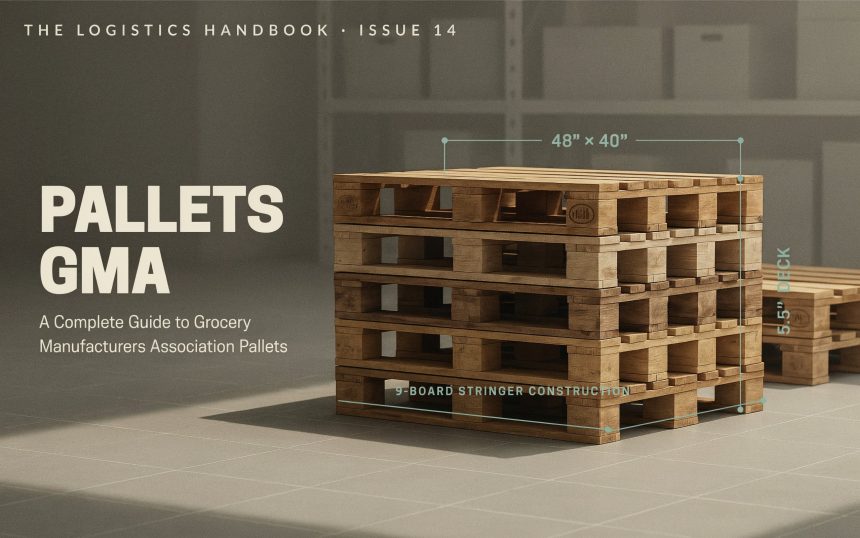
The standard size is 48 inches by 40 inches, making it one of the most commonly used pallet dimensions in North America. Because of this consistency, warehouses, forklifts, racking systems, and transportation equipment are often designed with these pallets in mind.
Think of a GMA pallet as the common language of logistics. Just as people from different regions can communicate through a shared language, businesses across various industries can move products more efficiently using a shared pallet standard.
The Standard Dimensions and Specifications
One of the defining characteristics of a GMA pallet is its standardized construction.
Typical Specifications
- Dimensions: 48″ x 40″
- Four-way entry design
- Wooden construction
- Stringer pallet configuration
- Deck boards on top and bottom
- Designed for forklift and pallet jack access
The four-way entry feature allows forklifts to access the pallet from all sides, improving handling efficiency. This flexibility reduces loading and unloading times while increasing warehouse productivity.
Although exact construction details can vary slightly, most GMA pallets follow similar design principles to ensure compatibility throughout supply chains.
Why GMA Pallets Became the Industry Standard
Standardization offers enormous advantages in logistics. Before common pallet sizes were adopted, businesses often struggled with incompatible equipment and inefficient loading practices.
Consistency Across Supply Chains
When every warehouse uses similar pallet dimensions, transportation becomes smoother. Trucks can be loaded more efficiently, storage systems can be optimized, and product handling becomes more predictable.
Reduced Operational Costs
Uniform pallets minimize equipment adjustments and handling errors. Businesses spend less time adapting to different pallet sizes and more time focusing on productivity.
Improved Product Movement
Because GMA pallets are widely accepted, shipments can move seamlessly between manufacturers, distributors, retailers, and customers.
These benefits explain why the design became so popular and remains dominant today.
Industries That Commonly Use GMA Pallets
Although they originated in the grocery sector, GMA pallets are now used in many industries.
Food and Beverage
Food manufacturers rely heavily on standardized pallets for transporting packaged goods, beverages, canned products, and dry foods.
Consumer Goods
Retail products such as household items, cleaning supplies, and personal care products frequently move on GMA pallets.
Manufacturing
Factories use them for storing raw materials and shipping finished products.
Distribution Centers
Large warehouses and fulfillment centers prefer standardized pallet sizes because they simplify inventory management.
Retail Chains
Major retailers often require suppliers to use standard pallet dimensions to streamline receiving operations.
The widespread adoption of GMA pallets makes them one of the most versatile logistics tools available.
Advantages of Using GMA Pallets
There are many reasons businesses continue to choose GMA pallets.
Enhanced Compatibility
Most warehouse equipment is designed to accommodate standard pallet dimensions. This compatibility reduces operational challenges.
Better Space Utilization
The standardized footprint helps maximize trailer, container, and warehouse space.
Lower Transportation Costs
Efficient stacking and loading can reduce shipping expenses.
Improved Safety
Consistent pallet dimensions contribute to safer handling practices and more stable loads.
Easier Inventory Management
Uniform pallets simplify storage planning and inventory tracking.
These benefits create a more efficient supply chain from start to finish.
GMA Pallets vs Other Pallet Types
Not all pallets are created equal. Different industries use various pallet sizes and materials.
| Feature | GMA Pallet | Custom Pallet |
| Standard Size | Yes | No |
| Wide Acceptance | High | Limited |
| Cost Efficiency | High | Variable |
| Equipment Compatibility | Excellent | May Vary |
| Availability | Extensive | Depends on Supplier |
Custom pallets can be useful for specialized products, but GMA pallets often provide the best balance of affordability and functionality.
Understanding Pallet Grades
GMA pallets are commonly categorized into different grades based on their condition.
Grade A Pallets
These are high-quality recycled pallets that have been repaired and maintained to meet strict standards. They typically have minimal wear and are suitable for demanding applications.
Grade B Pallets
These pallets may show more signs of use but remain structurally sound. They are often a cost-effective choice for many businesses.
New Pallets
Newly manufactured pallets offer maximum durability and consistency but generally come with a higher price tag.
Selecting the right grade depends on your budget, operational needs, and shipping requirements.
Pallet Maintenance and Repair
Like any piece of equipment, pallets require regular maintenance to ensure safety and performance.
Inspection Practices
Businesses should routinely inspect pallets for:
- Broken boards
- Loose nails
- Cracks
- Structural damage
- Excessive wear
Repair Procedures
Damaged boards can often be replaced, extending pallet life and reducing replacement costs.
Proper Storage
Keeping pallets in dry conditions helps prevent moisture-related deterioration.
Regular maintenance can significantly increase pallet lifespan while supporting workplace safety.
Sustainability and Environmental Benefits
Sustainability has become an important consideration in logistics, and GMA pallets offer several environmental advantages.
Reusability
Wooden pallets can be reused many times before replacement becomes necessary.
Repairability
Unlike some disposable shipping platforms, damaged wooden pallets can often be repaired.
Recyclability
At the end of their useful life, wooden pallets can be recycled into mulch, wood chips, or other products.
Reduced Waste
A strong pallet recovery industry helps keep pallets in circulation rather than sending them directly to landfills.
These factors make GMA pallets a practical option for organizations focused on environmental responsibility.
Common Challenges Associated With GMA Pallets
Despite their benefits, GMA pallets are not without challenges.
Damage During Handling
Rough forklift operation can damage boards and stringers.
Weight Considerations
Wooden pallets are heavier than some plastic alternatives.
Moisture Exposure
Excessive moisture can lead to deterioration if pallets are not properly stored.
Repair Costs
Although repairs are generally economical, maintaining large pallet fleets requires ongoing investment.
Understanding these challenges allows businesses to implement better pallet management strategies.
Best Practices for Managing GMA Pallets
Effective pallet management can improve efficiency and reduce costs.
Train Employees
Proper handling techniques help minimize damage.
Implement Inspection Programs
Routine inspections identify issues before they become serious problems.
Track Inventory
Monitoring pallet inventory reduces losses and improves accountability.
Work With Reliable Suppliers
Quality suppliers provide consistent products and repair services.
Prioritize Safety
Damaged pallets should be removed from service immediately to prevent accidents.
Following these practices helps organizations maximize the value of their pallet assets.
The Future of GMA Pallets in Modern Logistics
Technology continues to transform logistics, but the basic pallet remains a critical component of supply chains.
Automation systems, warehouse robotics, and advanced inventory tracking solutions increasingly rely on standardized pallet dimensions. Because GMA pallets already fit many automated systems, they remain highly relevant in modern distribution environments.
Additionally, growing interest in sustainability is encouraging improved pallet recovery, repair, and recycling programs. These initiatives support circular economy goals while reducing waste.
As supply chains evolve, GMA pallets will likely continue serving as a foundational logistics tool, supporting efficient product movement across industries.
Conclusion
GMA pallets have become a cornerstone of modern logistics because they offer consistency, efficiency, and widespread compatibility. Their standardized 48-by-40-inch design simplifies transportation, warehousing, and product handling across countless industries.
From grocery distribution and manufacturing to retail and e-commerce, these pallets help businesses move goods safely and efficiently. Their durability, repairability, and recyclability also make them a practical solution for organizations seeking both operational and environmental benefits.
Whether you are managing a warehouse, shipping products, or simply learning about supply chain operations, understanding GMA pallets provides valuable insight into one of the most important tools in modern commerce.
Frequently Asked Questions
1. What does GMA stand for in GMA pallets?
GMA originally stood for the Grocery Manufacturers Association, the organization that established the standardized pallet specifications widely used today.
2. What size is a standard GMA pallet?
A standard GMA pallet measures 48 inches by 40 inches, making it the most common pallet size in North America.
3. Why are GMA pallets so popular?
Their popularity comes from standardized dimensions, broad industry acceptance, equipment compatibility, and cost-effective handling.
4. Can GMA pallets be repaired?
Yes. Damaged boards and components can often be repaired, extending the pallet’s lifespan and reducing replacement costs.
5. Are GMA pallets environmentally friendly?
Yes. They can be reused, repaired, recycled, and incorporated into pallet recovery programs, making them a sustainable logistics solution.